Research
Advancing technology for the public good
The College of Computing & Artificial Intelligence is home to a vibrant research community that brings together the complementary strengths of the Department of Computer Sciences, the Department of Statistics, and the Information School.
From the mathematical foundations of computing and statistical inference to human-centered technology, information policy, digital stewardship, and artificial intelligence, our faculty collaborate across disciplines to advance fundamental discovery and translate research into real-world impact.
Core research areas
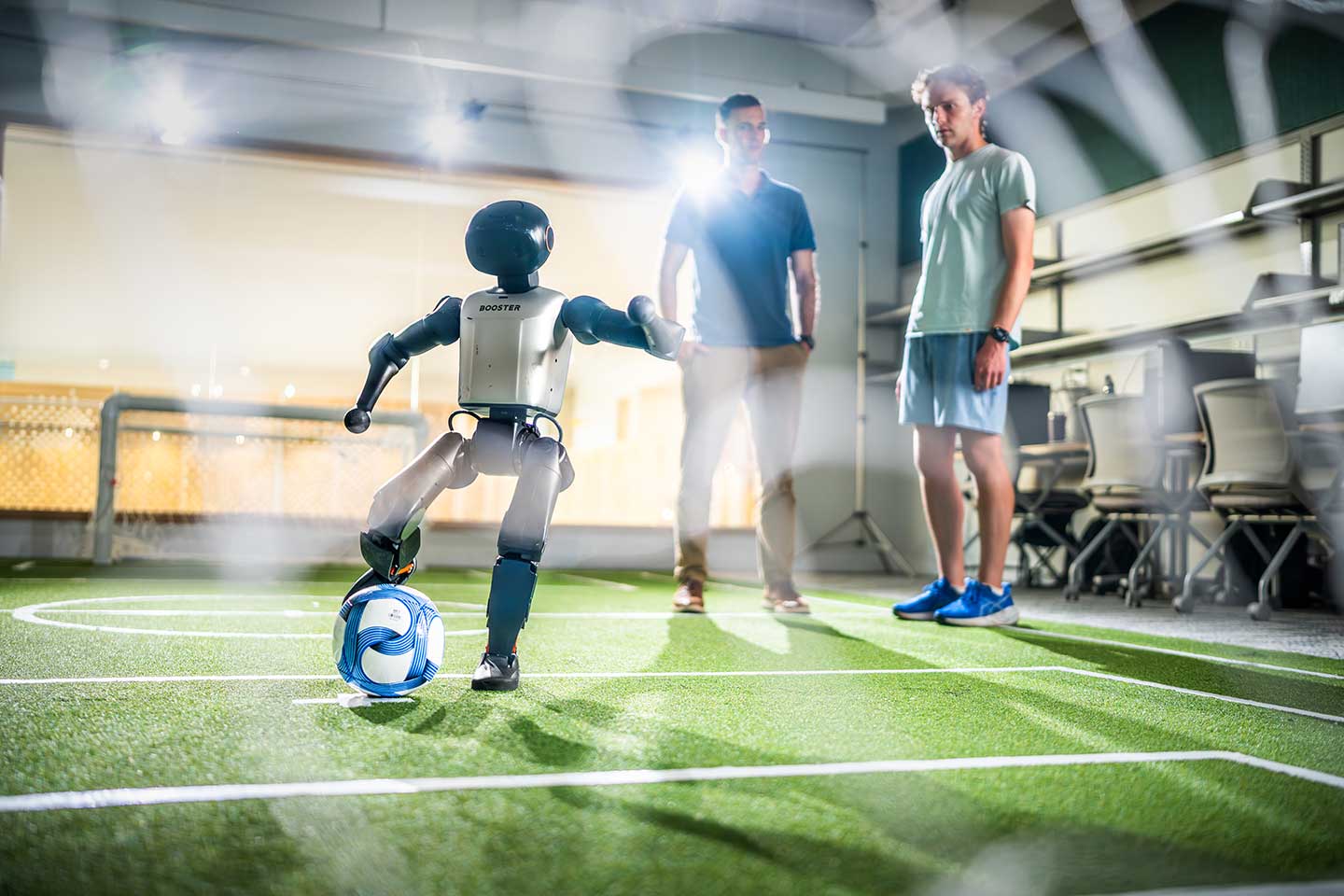
AI & Machine Learning
We advance the next generation of intelligent systems through research in machine learning, AI, computer vision, robotics, and natural language processing — grounded in rigorous statistical methods and designed to be transparent, trustworthy, and beneficial to society.
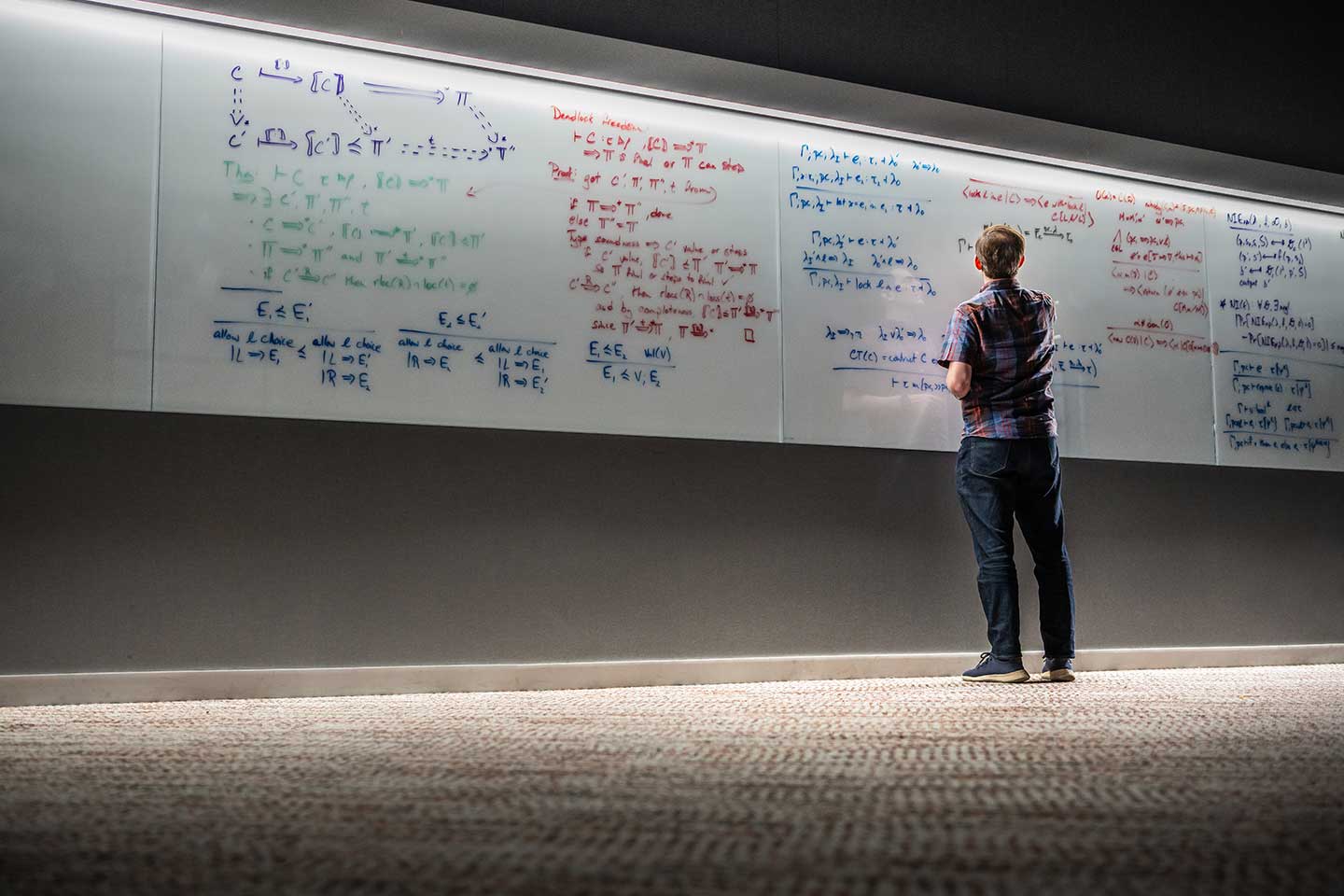
Algorithms & Theory
From the mathematical foundations of computation to breakthroughs in optimization, programming languages, cryptography, and quantum computing, we build on the fundamental ideas that make tomorrow’s computing technologies possible.

Data Science
Drawing on Wisconsin’s longstanding strengths in statistics and computing, we develop new methods for causal inference, high-dimensional statistics, and data-driven decision-making — turning complex data into reliable insights that advance discovery across disciplines.
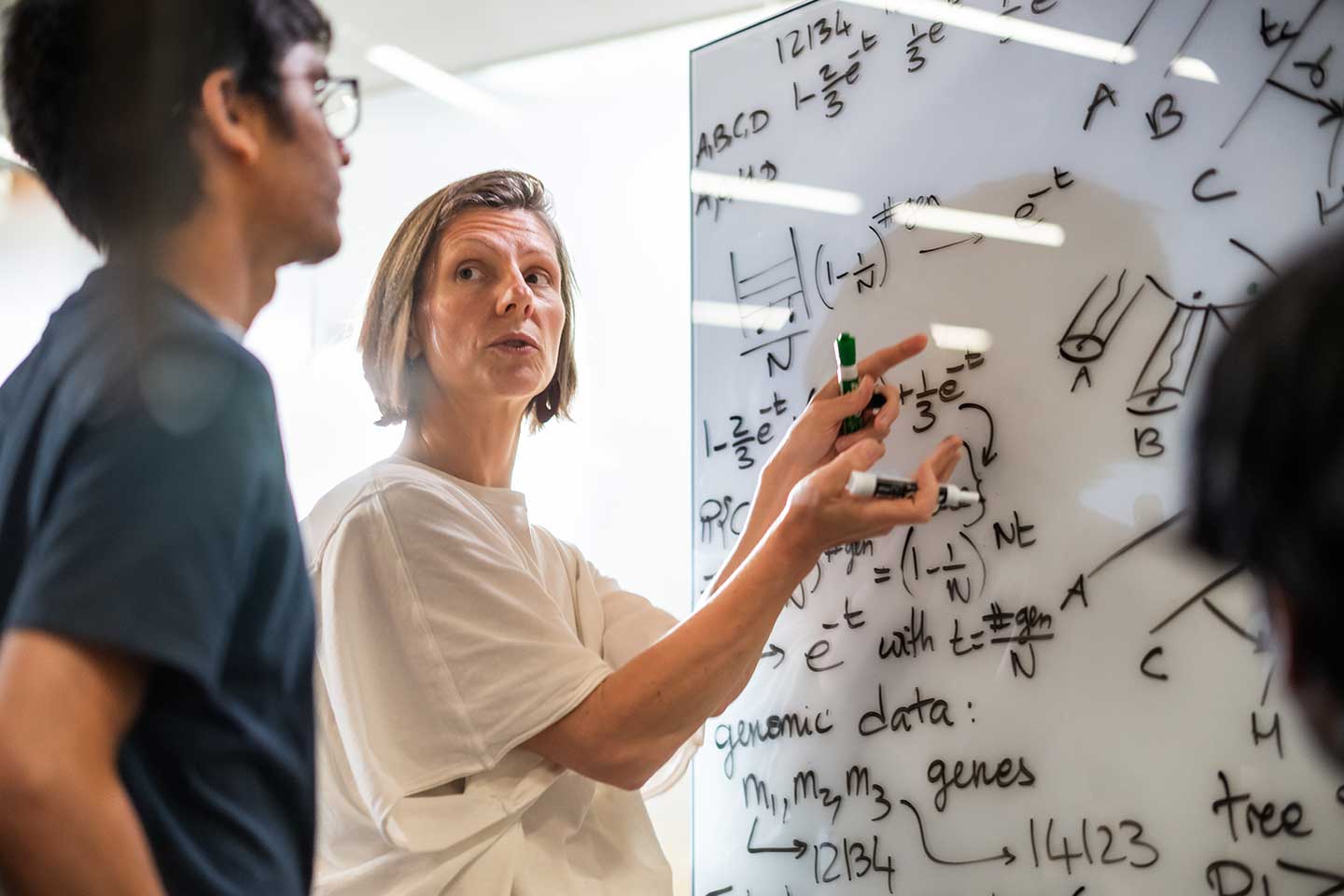
Health & Bioinformatics
Through research spanning genomics, medical informatics, biostatistics, clinical trial analysis, biomedical imaging, computational biology, and beyond, we bridge foundational data science with real-world biomedical discovery.
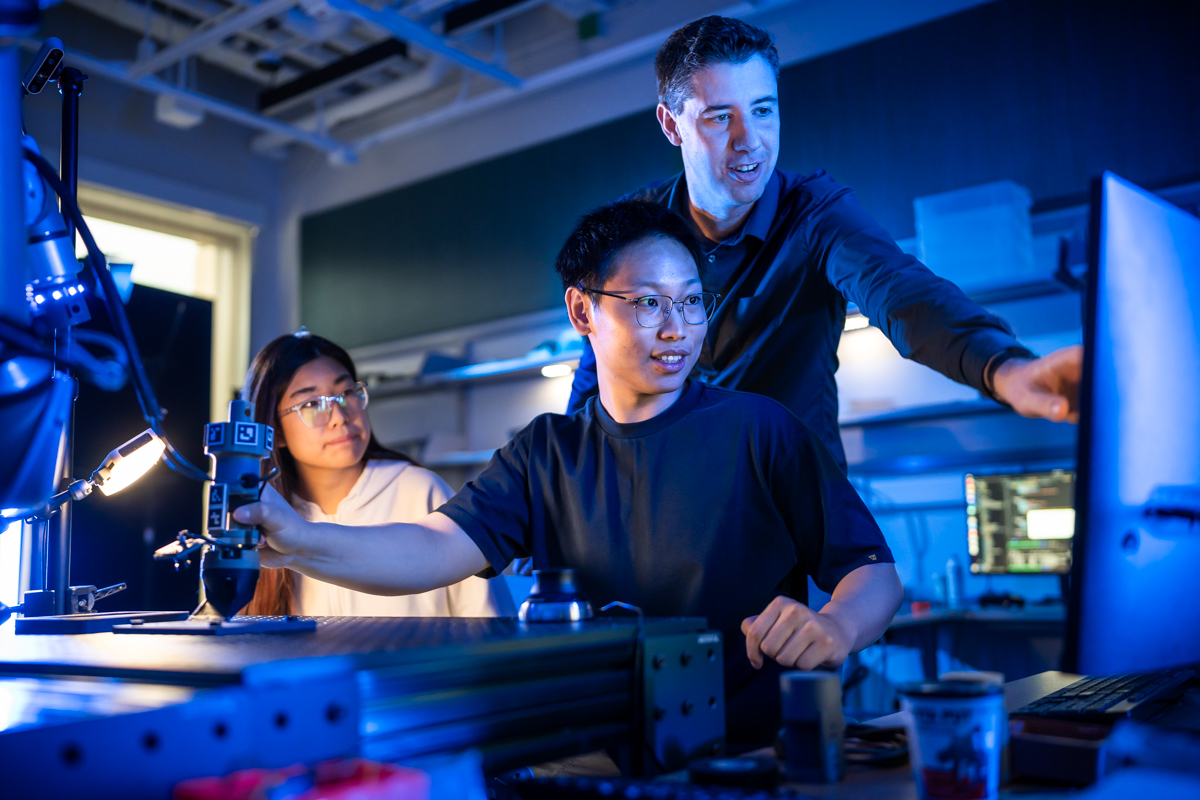
Human-Centered Computing
We combine human-computer interaction, accessibility, social computing, learning sciences, and immersive technologies to create systems that are intuitive, inclusive, and empowering.
Information Ethics & Society
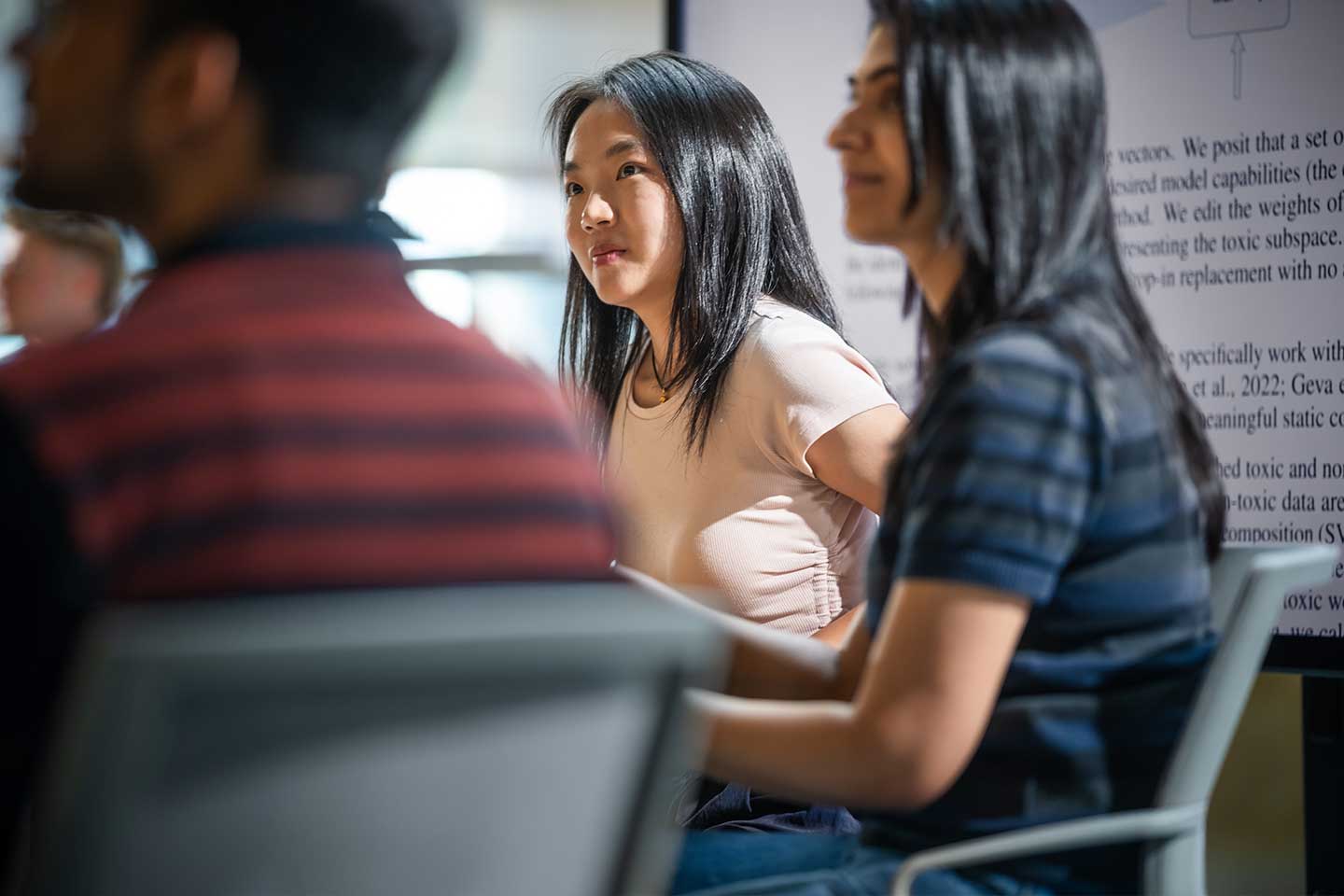
As artificial intelligence reshapes society, we examine the ethical and social dimensions of information through research in AI governance, privacy, digital equity, information policy, and responsible technology design.

Libraries, Archives & Knowledge Infrastructures
Building on Wisconsin’s leadership in library and information science, we reimagine how knowledge is preserved, organized, and shared through research in digital preservation, archival science, metadata, cultural heritage, and the future of libraries.

Networks & Systems
For decades, Wisconsin researchers have helped shape the computing infrastructure behind the modern digital world. Today, we continue that tradition through research in operating systems, databases, networking, and high-performance computing.
Security & Privacy
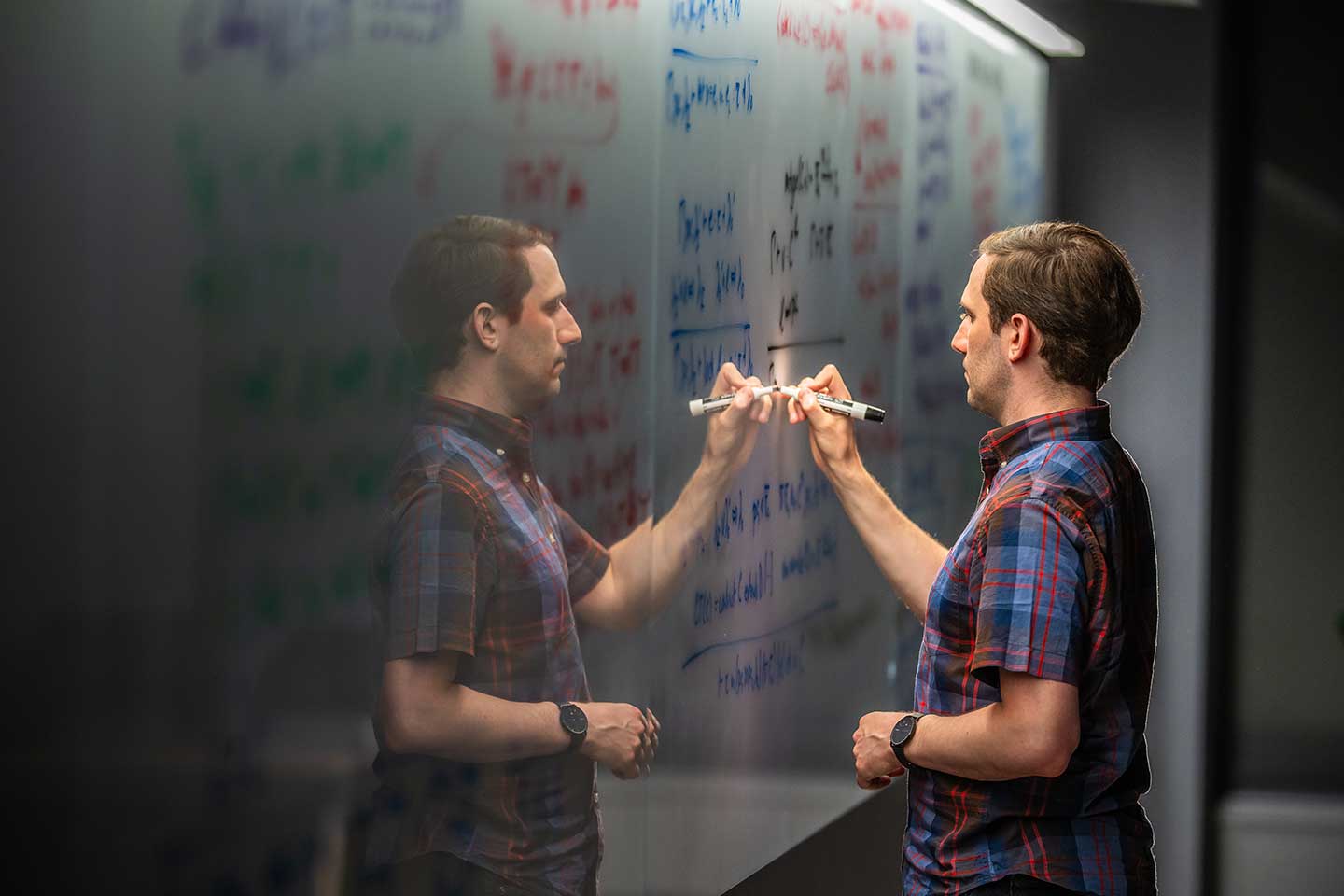
We develop secure and resilient computing systems through research spanning cybersecurity, quantum computing, software and systems security, cryptography, and privacy-enhancing technologies.
Research groups and specialties
Featured research centers
Center for High Throughput Computing
CHTC brings the potential of high throughput computing not only to campus but to the broader scientific community to drive innovation forward.
N+1 Institute
Students, researchers, and companies collaborate on applied learning and industry-academia projects targeting the next wave of disruptive computing in AI and edge technology.
Institute for the Foundations of Data Science
A multi-university research collaboration, IFDS research spans complexity, robustness, closed-loop data science, and ethics and algorithms.
Research collaborations
Research at the College of Computing & Artificial Intelligence extends far beyond our college, bringing together collaborators from across the university, the state, and beyond to develop technologies and knowledge that benefit people, communities, and society.
College of Letters & Science
Accelerating ecological research with AI
A new AI tool designed by a computer scientist manages “universes” of data so researchers can predict and solve water quality issues.


Argonne National Laboratory
Predicting where wildfire smoke will go next
A new collaboration improves methods for air quality forecasting and public health alerts, highlighting the role of statistics in tackling real-world environmental challenges.
UW–Madison Extension
Training inclusive AI on rural WI perspectives
iSchool researchers propose a statewide AI system built on local data and community input, ensuring Wisconsin’s diverse voices shape the tools that serve them.
Grants and funding partners




Faculty & Staff Directory
Get in touch with a specific faculty or staff member.