Tribal libraries program poised to expand and deepen partnerships with Native nations
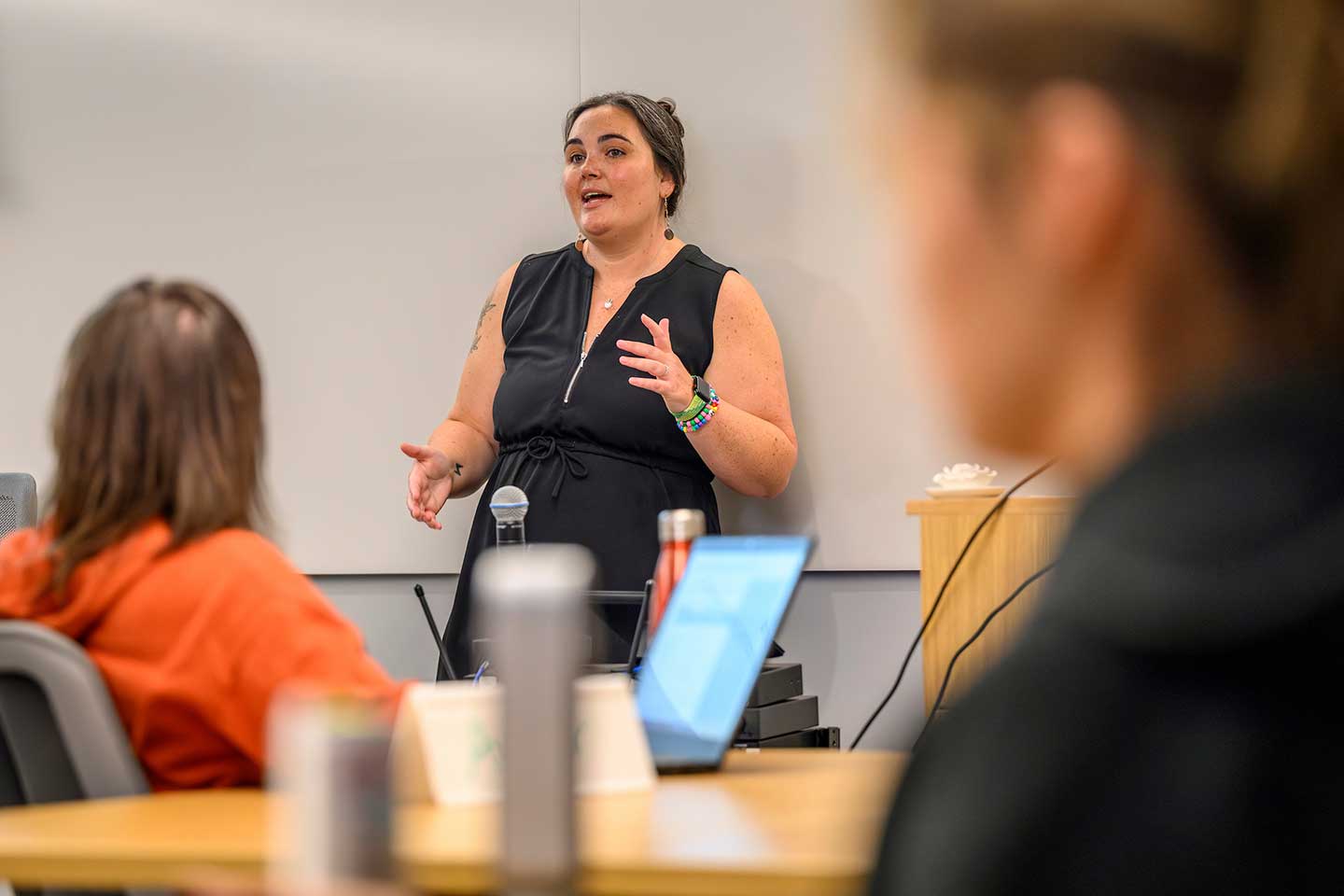
Cassy Leeport MA’15 discusses the present and future of the Information School’s Tribal Libraries, Archives & Museums (TLAM) program, winner of a 2026 Reilly-Baldwin Wisconsin Idea Grant.
By Thomas Jilk
For almost two decades, the Tribal Libraries, Archives and Museums (TLAM) program at the Information School (iSchool) has built and sustained partnerships with Native nations in what we now call Wisconsin. The program began in 2008, when a few iSchool students helped the Red Cliff Band of Lake Superior Ojibwe begin to reopen their community library after its former building had fallen into disrepair. Their work — a yearslong process of assessing community needs and packing, organizing, cataloging, and shelving materials — culminated in the 2015 opening of Ginanda Gikendaasomin, the new Red Cliff library.
Today, under the leadership of Cassy Leeport, the TLAM program is poised to broaden its reach and impact. It recently received a 2026 Reilly-Baldwin Wisconsin Idea Project Grant, a $120,000 award that will support the hiring of a tribally affiliated outreach specialist based in northern Wisconsin.
To Leeport, applying for the grant was a no-brainer: “We don’t have to spin the Wisconsin Idea with TLAM,” Leeport said. “It’s just what we do.”
In a recent conversation, Leeport discussed opportunities the Wisconsin Idea grant opens for TLAM, how the program is deepening partnerships with Native nations, and a creative new approach to organizing information in Tribal libraries.
We have a proven track record of nearly 20 years of sustained, respectful, and reciprocal relationships [with tribal nations] … We don’t have to spin the Wisconsin Idea with TLAM. It’s just what we do.
What led you to pursue the Reilly‑Baldwin Wisconsin Idea Project Grant, and what do you think made your proposal compelling?
Cassy Leeport: I’ve been looking for ways to expand what TLAM is and can be for a long time. Running TLAM has been a one-person operation, even before I came into my role in 2023. At the same time, there are 12 Native nations that share geography with Wisconsin, and more of them are now opening or operating libraries and cultural centers. It requires resources and people for us to travel and care for those relationships in an authentic way. That’s why we decided to apply for the grant.
I think our proposal was compelling because we have a proven track record of nearly 20 years of sustained, respectful, and reciprocal relationships that exemplify the Wisconsin Idea of making an impact beyond the university. This grant is another stepping stone to show what TLAM can do with more capacity and the kind of impact we can have. Because we connect what students learn in class with service‑learning projects that directly benefit our partners, we don’t have to spin the Wisconsin Idea with TLAM. It’s just what we do.
How will the new outreach specialist expand your capacity?
The idea is to hire someone who does not live or work in Madison, lives on or near Tribal lands in the northern part of the state, is tribally affiliated and can be readily available—someone who can hop in the car and be there in two hours to talk about a project. The hire will expand our geographical reach and help us be present in more places.
Will the grant support initiatives beyond the new outreach position?
Yes! We will also create traveling digitization kits and purchase equipment for digitizing materials such as cassettes and VHS recordings, along with flatbed scanners. The outreach specialist will help with training and digitization work in tribal communities.
The grant will also support professional development, including training related to the Native American Graves Protection and Repatriation Act, or NAGPRA. We have been asked to consult on NAGPRA‑related matters before, and formal training for me and the outreach specialist will help build out our capacity in that area.
You recently launched the TLAM practicum as part of the MA Library & Information Studies program. How is the practicum expanding opportunities for students and partners?
The TLAM course has always had a service‑learning component, but students were usually doing about 20 or 30 hours of service‑learning work through the course. The MA program has a 120‑hour practicum requirement, and now students can fulfill that requirement through TLAM as well. This creates more sustainable routes for partnerships and projects.
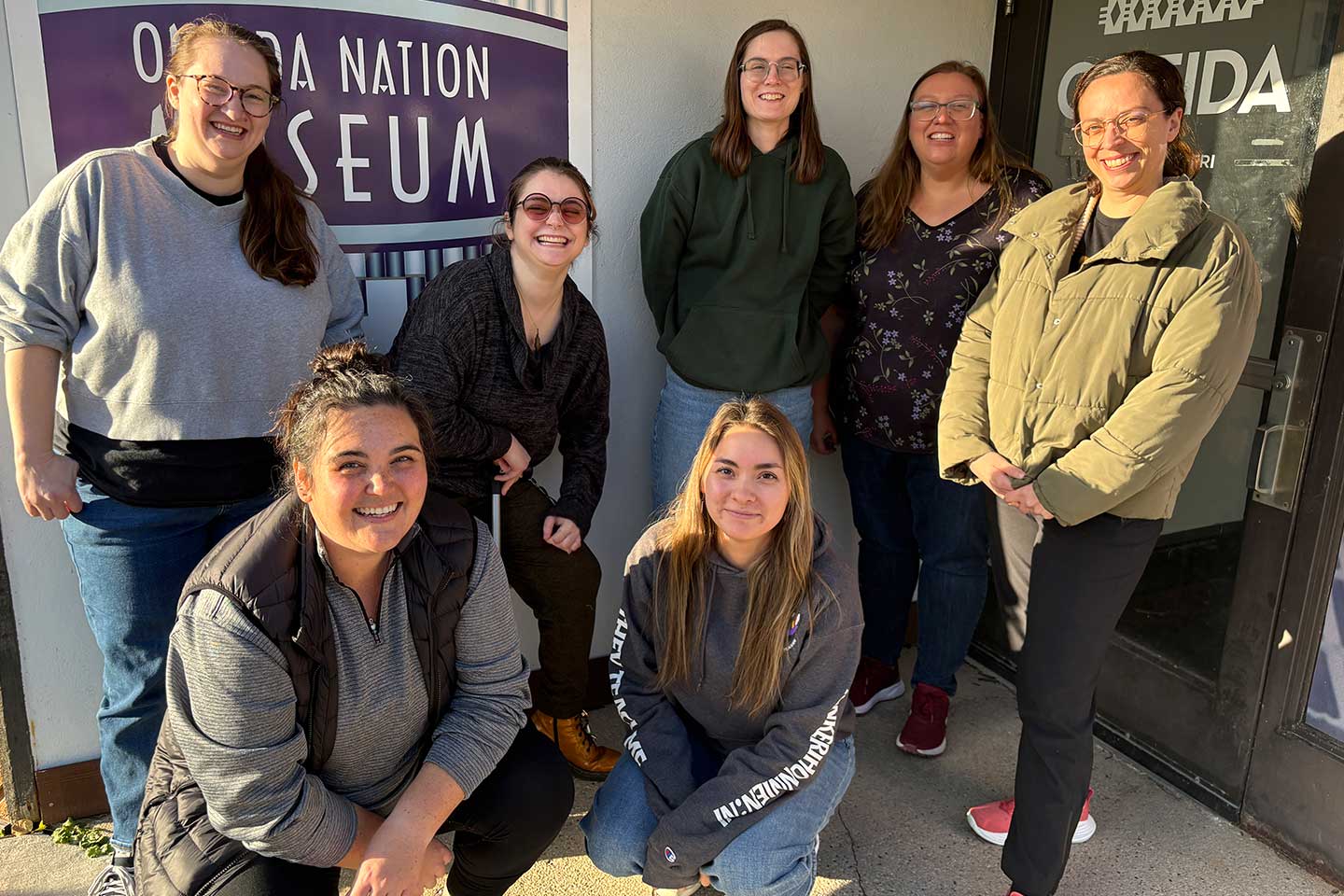
I had 10 students complete the practicum in spring and five are doing it over the summer. Students have assisted the Bad River Museum inventory and organize a recently acquired collection from Northland College, supported teen services programming at Oneida Nation Library, completed library and archival work with the Blackfeet Nation in Montana, and developed an annotated bibliography for the Ho‑Chunk Nation Library, which we were proud to play a role in opening in 2024.
You have also helped develop a new classification system for the TLAM collection housed in Morgridge Hall. Tell me about that project and why it’s important.
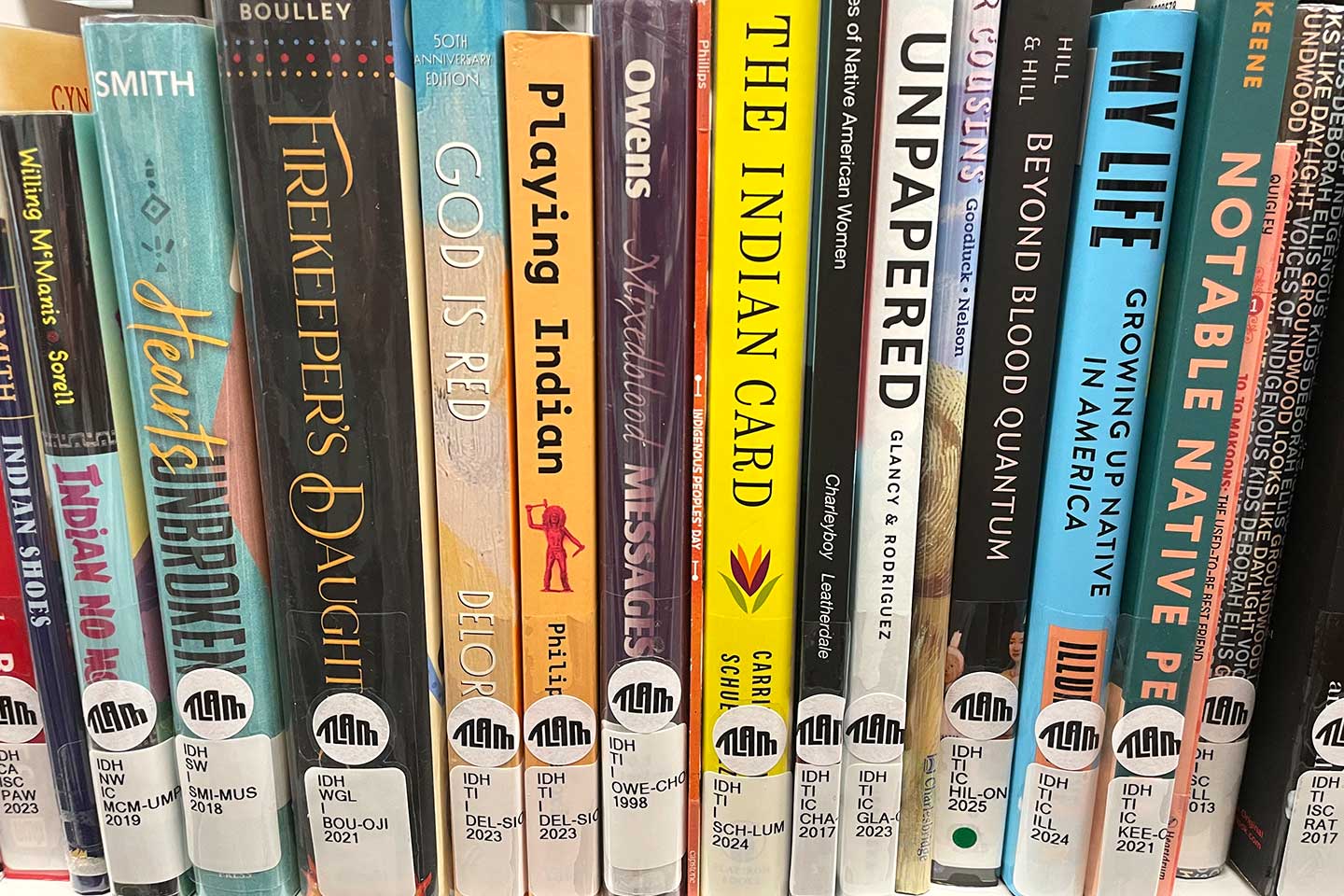
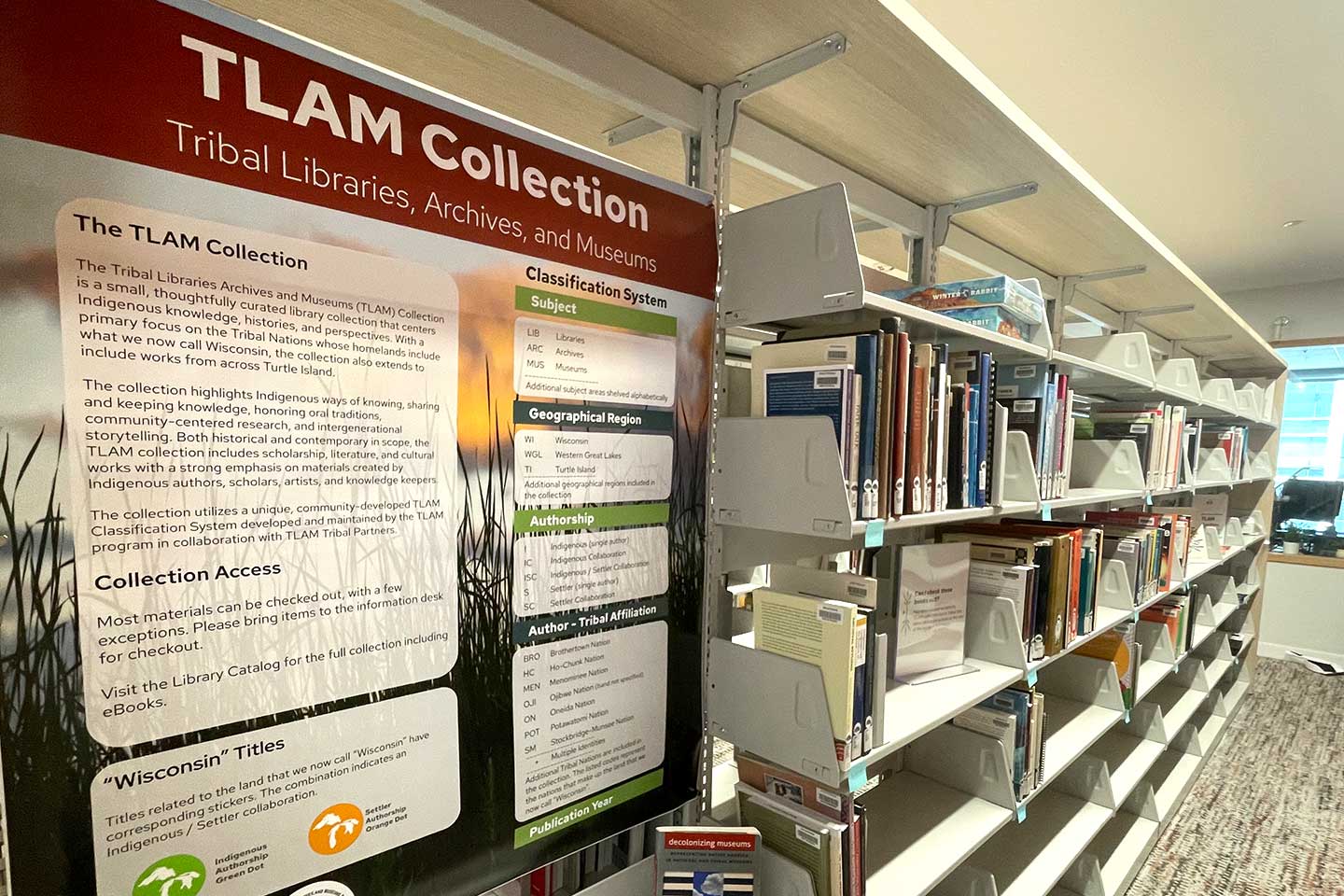
Common library classification systems, including Dewey Decimal and Library of Congress, are rooted in a specific white, Christian worldview. If you cataloged our TLAM collection using those systems, almost all of the call numbers would be the same; all of our books would be placed in the history of North America and Indigenous peoples categories. But these are not all history books.
Working with Anastasia Hanson, a TLAM practicum student and UW–Madison Libraries staff member, and informed by surveys and conversations with tribal‑library partners, we created a system organized by topic area, geographic area and authorship. The system identifies whether a work is Indigenous‑authored, settler‑authored, or a collaboration. That matters because we talk a lot about the importance of reading and working with sources that come directly from Indigenous voices, rather than non‑Indigenous voices speaking as though they are experts.
Every spine label has a story and a partnership behind it. What we put into the classification system is not something you could just find online by Googling; it reflects relationships and conversations with our partners.
There’s growing interest in this work, which is exciting. Anastasia and I presented our work to the Michigan Catalogers Association, and we are presenting our system at the iSchool’s Back in Circulation conference this October. We hope it leads other libraries to take ownership of how their books are organized, displayed, and discussed.
Zooming out, what are your long-term hopes for TLAM?
The Wisconsin Idea grant is a two‑year award, and during those two years, we will spend a lot of time collecting data, stories, and oral histories to help craft a compelling case about why the work should continue at this level beyond the timeline of the grant. We want to show what TLAM can do when it is not just one person — along with our amazing students, of course. The grant gives us an opportunity to demonstrate what additional capacity makes possible and build a case for making that permanent.
Learn more about the TLAM program.
Related:

Six lessons for preparing AI-savvy students and citizens
In LIS 408, a non-technical course on generative AI, Professor David McHugh teaches students to strategically apply, evaluate, and critique artificial intelligence systems.